Integrated AI and IoT Jobsite Tracking for Industrial Construction Operations
Connect workforce visibility, access governance, equipment accountability, inventory management, and material traceability with existing construction and enterprise software systems.Industrial construction projects generate information from numerous operational systems. Workforce management applications, access control systems, project management software, inventory systems, procurement systems, quality management tools, maintenance applications, and reporting systems often operate independently.
Applications of Integrated Jobsite Tracking Systems
Integration supports operational visibility across:
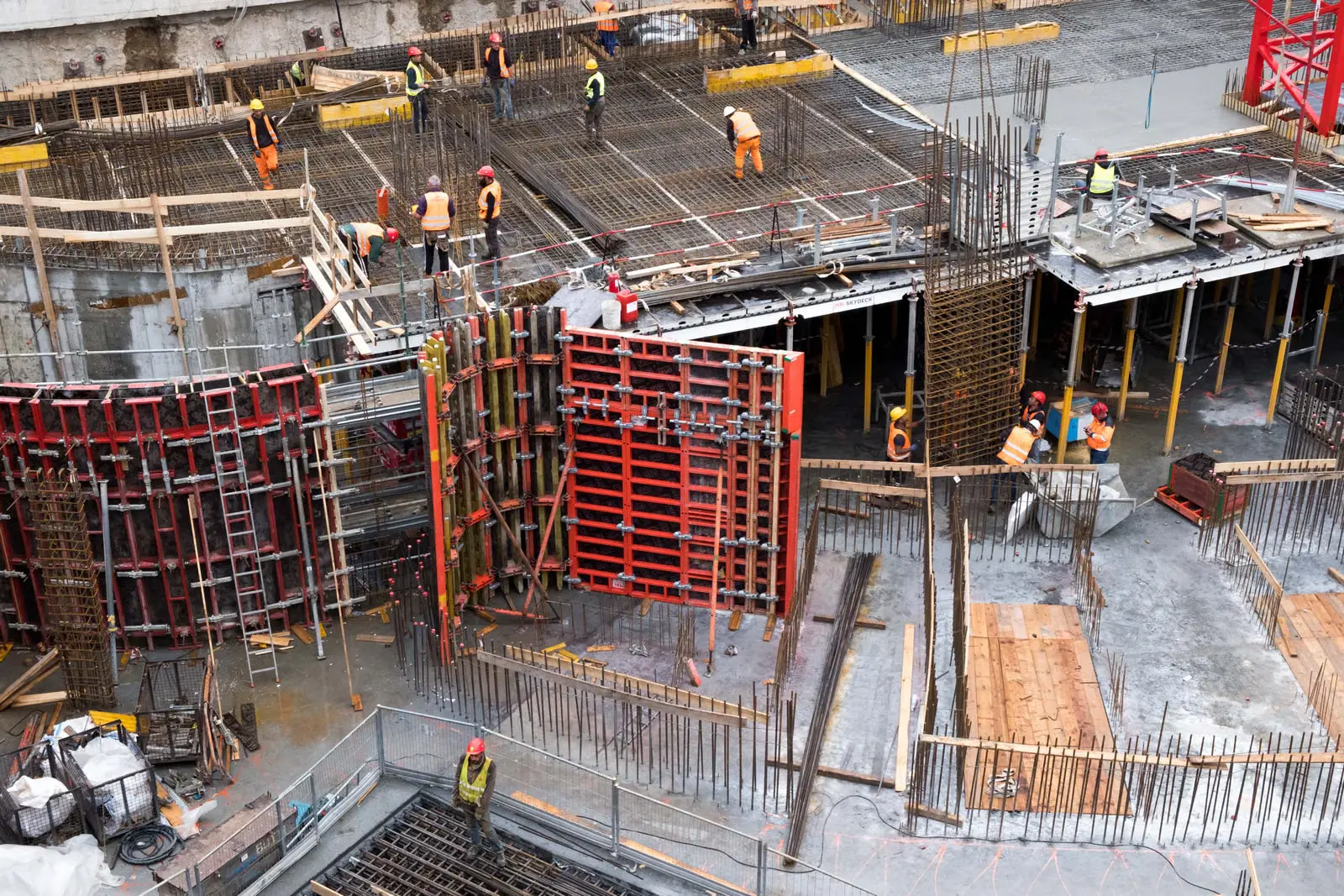
Integrated systems help organizations eliminate isolated information silos and improve collaboration among project stakeholders.
Industrial Construction System Integration Diagram for Workforce Tracking, Asset Visibility, Inventory Management, and Enterprise Software Connectivity
This system integration diagram shows how AI and IoT-enabled workforce tracking, access control, asset tracking, inventory management, and material traceability systems exchange information with ERP software, project management applications, quality management systems, document control systems, and executive reporting dashboards. The visual demonstrates the flow of identification and location data from RFID, BLE, GPS, Cellular IoT, and related technologies into operational and business software used across industrial construction projects. The key takeaway is that integrated software environments improve workforce accountability, equipment visibility, inventory accuracy, material traceability, compliance management, project execution, and decision-making across refinery construction, petrochemical facilities, fabrication yards, power plant construction sites, and other heavy industrial projects.
Identification & Location Technologies
AI & IoT Jobsite Tracking Systems
Operational & Business Software
Improved Industrial Construction Operations
Workforce Accountability
Equipment Visibility
Inventory Accuracy
Material Traceability
Compliance Management
Project Execution
Decision-Making
Why Integration Matters in Industrial Construction
Industrial construction projects often involve multiple contractors, suppliers, engineering teams, construction managers, procurement departments, and owners.
Without integration, organizations frequently encounter:
Duplicate data entry
Delayed reporting
Inconsistent records
Reduced operational visibility
Manual reconciliation efforts
Limited project transparency
Inefficient workflows
Increased administrative workload
Integrated jobsite tracking systems help address these challenges by providing a unified flow of operational information.
Benefits of Integration
Improved operational visibility
Faster reporting cycles
Better project coordination
Reduced manual effort
Improved accountability
More accurate decision-making
Enhanced compliance support
Stronger project controls
System Connectivity Layers
Industrial construction environments require multiple connectivity layers to ensure reliable information exchange.
Edge Data Synchronization
Jobsite tracking deployments often operate across large construction sites where information originates from multiple identification and location technologies.
Worker identification devices
Access control readers
Asset tracking devices
Material identification systems
Vehicle tracking technologies
Inventory management points
Data synchronization helps ensure operational records remain accurate and current across project locations.
Worker ID
Access
Assets
Materials
Vehicles
Inventory
Consolidate • Validate • Synchronize
Current Records
Reliable Information
Project Visibility
Key Functions
Local data processing
Event aggregation
Information validation
Activity synchronization
Operational reporting support
Temporary network resilience
Edge synchronization is particularly valuable in industrial construction environments where connectivity conditions may vary across the project site.
Multi-System Interoperability
Construction projects rely on numerous software systems that must exchange information efficiently.
Interoperability reduces information silos while improving consistency across operational records.
Workforce
Contractors
Access
Unified Information Exchange
Enterprise
Projects
Quality
Asset Tracking
Inventory
Procurement
Reporting
Operational Advantages
Unified information flow
Reduced duplicate records
Improved reporting accuracy
Better stakeholder collaboration
Enhanced operational visibility
RFID Systems
BLE Infrastructure
GPS Tracking Devices
Coordinated Communication
Cellular Communication Systems
LoRaWAN Coverage Networks
Access Control Hardware
Mobile workforce applications
Site Network Orchestration
Industrial construction sites often require coordinated communication among multiple technologies operating simultaneously.
RFID systems
BLE infrastructure
GPS tracking devices
Cellular communication systems
LoRaWAN coverage networks
Access control hardware
Mobile workforce applications
Integration with Construction Management Systems
Construction management software plays a central role in project execution.
Workforce reporting
Labor accountability
Project progress visibility
Resource allocation analysis
Contractor management
Schedule tracking
Site activity reporting
Integrated jobsite information
Workforce
Contractors
Schedule
Resources
Connected field and project information
Visibility
Reporting
Controls
Project managers gain improved visibility into field operations while reducing manual reporting requirements.
Integration with ERP Systems
Enterprise Resource Planning systems manage critical business processes throughout industrial construction projects.
Asset records
Inventory information
Procurement workflows
Material accountability
Equipment utilization reporting
Cost tracking support
Contractor information management
Assets
Inventory
Materials
Equipment
Operational and business information exchange
Procurement
Cost Tracking
Contractors
Jobsite activity connected with enterprise business processes
ERP integration helps ensure operational activities are reflected in business systems.
Integration with Inventory and Material Management Systems
Material availability directly impacts construction schedules.
Material receiving
Inventory verification
Material allocation
Laydown yard operations
Component identification
Inventory audits
Procurement planning
Jobsite receiving and intake
Connected material records
Verify • Track • Audit • Allocate
Laydown Yard
Allocation
Procurement
Connected material information across construction operations
This integration helps reduce delays caused by inaccurate inventory records or misplaced materials.
Integration with Access Control Systems
Access control systems are critical to industrial construction security and compliance.
Credential verification
Contractor authorization management
Visitor processing
Restricted area monitoring
Access reporting
Audit trail generation
Validate workforce and visitor credentials
Manage contractor and restricted area authorization
Verify • Authorize • Monitor • Record
Monitoring
Reporting
Audit Trails
Connected access records across industrial construction operations
Project teams can manage workforce access while maintaining comprehensive records.
Integration with Quality Management Systems
Many industrial construction projects require extensive quality documentation.
Material verification
Inspection records
Component traceability
Quality audits
Compliance documentation
Certification management
Connect material identification with quality records
Maintain connected inspection information
Verify • Inspect • Trace • Document
Traceability
Audits
Certification
Quality records connected with material and project documentation
Quality teams benefit from improved visibility into material history and project documentation.
Integration with Reporting and Analytics Systems
Construction organizations require timely information to support project decision-making.
Workforce activity
Access events
Equipment utilization
Inventory levels
Material movement
Project progress
Compliance status
AI-powered analytics can then evaluate operational trends and support management reporting.
Activity data
Utilization data
Level data
Access Events
Material Movement
Project Progress
Compliance Status
Connected operational data supporting management reporting
Reporting Benefits
Faster project reporting
Improved visibility
Better performance analysis
Enhanced resource planning
Improved project governance
Deployment Models
Industrial construction organizations often have different operational, security, and reporting requirements.
Cloud Deployment for Jobsite Tracking
Multi-project visibility
Centralized management
Enterprise reporting
Remote project oversight
Contractor collaboration
Jobsite operations
Jobsite operations
Jobsite operations
Centralize • Manage • Report • Collaborate
Management
Reporting
Remote Oversight
Collaboration
Centralized visibility across multiple industrial construction projects
Organizations managing multiple construction projects often benefit from centralized visibility provided through cloud deployment.
Server Deployment for Jobsite Tracking
Internal infrastructure requirements
Localized information management
Site-specific security controls
Customized deployment environments
Tracking data
Control data
Location data
Material data
Process • Store • Control • Manage
Local Management
Site Security
Internal Infrastructure
Custom Environment
Localized infrastructure supporting site-specific operational requirements
Server deployment is frequently selected for projects with unique operational or regulatory requirements.
Integration Across Industrial Construction Environments
Industrial Plant Construction Sites
Integrated systems improve coordination between workforce management, equipment tracking, inventory operations, and project reporting.
Refinery and Petrochemical Projects
Access management, contractor accountability, and material traceability integrations support highly regulated construction environments.
Power Plant Construction Sites
Integrated visibility improves workforce coordination, material availability, equipment utilization, and project execution.
Manufacturing Facility Build-Outs
Project teams benefit from improved communication between installation activities, inventory management, and project management systems.
Heavy Industrial Fabrication Yards
Integration supports material traceability, inventory accountability, fabrication workflows, and project documentation requirements.
Experience Delivering Integrated Industrial Solutions
IndCon AI was developed within Aperture Venture Studio with support from GAO and leverages more than twenty years of IoT implementation experience. Through thousands of successful projects, extensive expertise has been developed in connecting identification and location technologies with operational and enterprise software systems.
Supported by significant research and development investments, rigorous quality assurance programs, experienced technical professionals, and strategic industry partnerships, IndCon AI helps industrial construction organizations deploy integrated solutions that improve operational visibility and project performance.
Industrial identification, location, and system integration
Research & Development
Quality Assurance
Technical Professionals
Industry Partnerships
Integrated industrial solutions designed for operational visibility and project performance